

Table of Contents
A plan to convert two parcels of land in Barangays Duljo Fatima and Talamban, Cebu City, from utility to residential use could “cripple” Cebu’s goal of achieving energy stability by 2026, according to an energy advocacy group.
Nathaniel Chua, convenor of the Cebu Electricity Rights Advocates (CERA), said that maintaining the properties for utility purposes is essential to prevent technical and supply issues in the future.
“Maintaining these lots for their intended utility use is a preventive measure against future power shortages and technical bottlenecks,” Chua said.
He also warned that “international investors look for ‘Energy Resilience’ and stable power reserve otherwise they will take their capital elsewhere,” adding that “Cebu’s economy is being choked by a thin power reserve that often dips below the 200MW (megawatts) safety buffer.”
“Stable power reduces the risk of appliance damage and brownouts during peak hours,” he added.
Critical Energy Links
The two properties, which are tied to the National Grid Corporation of the Philippines (NGCP), have long been eyed by the Cebu City government for socialized housing. However, jurisdictional issues must be resolved before construction can begin.
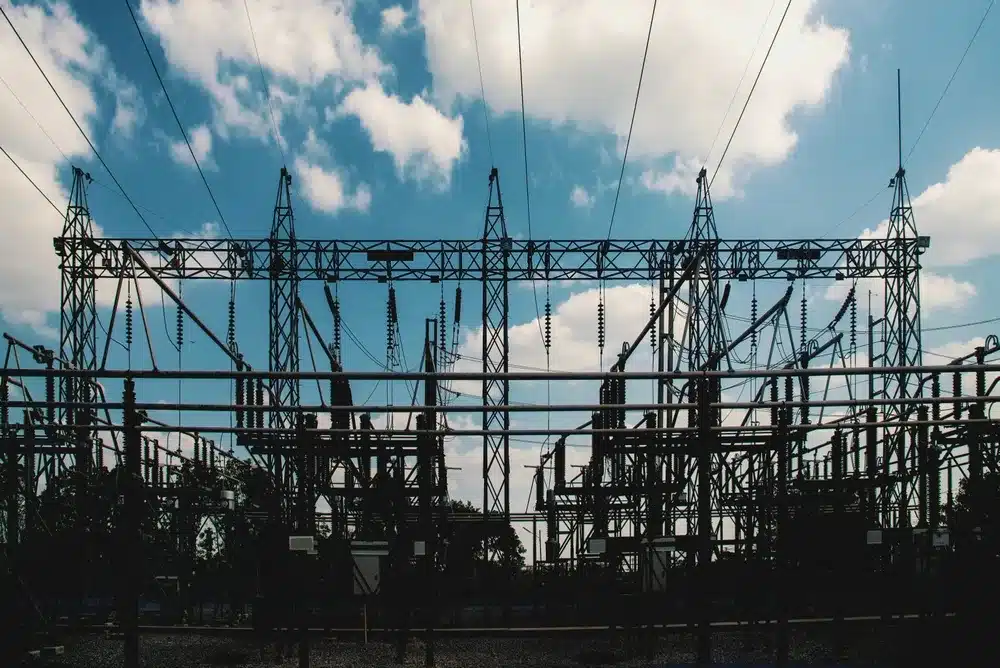
In an earlier interview, Mayor Nestor Archival said that once the land transfer is complete, Medium-Rise Buildings (MRBs) would be built in the areas to accommodate displaced families. Chua, however, raised a red flag over the plan, saying the two NGCP lots are not “mere ‘vacant land’ but essential components of the Metro Cebu Transmission Loop and were considered as critical nodes for the stabilization of Cebu City’s power grid.”
“This lot serves as strategic entry points for power distribution into the heart of the city’s commercial and residential hubs. Losing this lot would permanently cripple the grid’s future,” he said.
Chua explained that the property in Barangay Duljo Fatima is supposed to be used for substation upgrades “to prevent overloading in the downtown and south district areas,” while the property in Barangay Talamban is “[a] vital corridor for the 230KV transmission lines that link the northern generation plants to the urban load centers.”
“Capacitor banks and static var compensators (SVCs) [are] keeping the voltage steady at 230,000 volts. Converting critical transmission lots into residential areas is a ‘catastrophic miscalculation’. These lines require larger towers, bigger clearances, and more substation space than the older 138KV lines,” he said.
Moreover, Chua warned that “the cost of acquiring new properties for use in power upgrades would eventually be passed on to the consumer through their monthly bills.”
Safety Concerns Over Housing Sites
While he acknowledged the need for relocation sites, Chua said displaced families should be moved to areas that are both safe and permanent.
“Moving families from river easements and landslide-prone areas only to place them directly under high-voltage transmission lines is a ‘danger zone to danger zone’ swap that fails to solve Cebu’s mounting housing problem. It is a temporary patch that creates a new class of ‘permanently displaced’ citizens,” he said.
He added that finding suitable relocation for displaced families must be “consultative” and involve collaborative planning.
Chua also said that CERA “will not stand by while the technical future of Cebu’s power grid is bartered away for political optics.”
He insisted that keeping the properties in Barangays Duljo Fatima and Talamban for utility use “is a preventive measure against future power shortages and technical bottlenecks.”
Looming Power Crisis
CERA’s opposition comes amid what the group described as a looming “critical” energy phase for Cebu beginning in 2026, a situation that could cripple the local economy and compromise public safety.
Chua said the warning follows the Department of Energy’s (DOE) declaration of a “potential critical supply situation” for the Visayas in 2026, driven by surging demand and insufficient new power generation.
According to CERA, Cebu’s electricity demand is growing by about 150 megawatts (MW) annually, already outpacing the island’s local generation capacity.
Chua said that has forced Cebu to increasingly rely on “imported” power transmitted through submarine cables from other islands, a setup the group described as “risky and unsustainable.”
He added that business leaders from the manufacturing and export sectors have expressed concern that frequent “Yellow Alerts” and power-sharing limitations are increasing operating costs and disrupting production schedules.
CERA warned that “if new, stable power plants are not constructed on the island, Cebu’s economic momentum could significantly slow down by 2026.”
With Cebu’s power demand expected to hit 2,108 MW by 2030, Chua said that having an unstable grid could lead “to higher electricity costs and frequent brownouts, which ultimately hurts the very poor housing programs intent to help.”
Balancing Development and Energy Security
Chua urged both local and national leaders to safeguard Cebu’s long-term energy stability while addressing social housing needs. “Keeping these sites dedicated to power infrastructure is a preventive measure against future power shortages and technical bottlenecks,” he said.
He emphasized that maintaining NGCP properties for utility purposes is vital to preventing technical disruptions and ensuring that the city can meet its growing energy demands in the coming years.
CERA has vowed to continue engaging with local officials to promote responsible and consultative planning for both energy and housing projects.
Source:
https://www.philstar.com/the-freeman/cebu-news/2026/01/04/2498680/cebu-facing-power-crisis