

Table of Contents
Cebu City has begun implementing energy-saving measures and accelerating renewable energy initiatives following President Ferdinand Marcos Jr.’s declaration of a national energy emergency, as local officials and consumer groups warn of looming electricity price spikes driven by global fuel volatility.
Mayor Nestor Archival said the city government has moved quickly to reduce power consumption in public offices while coordinating with national agencies to ensure uninterrupted delivery of essential services, including fuel supply, transport, and basic goods.
The emergency declaration, issued on March 24, cites escalating conflict in the Middle East that threatens global oil supply and has prompted a nationwide push for conservation under a whole-of-government response.
Government-Led Conservation
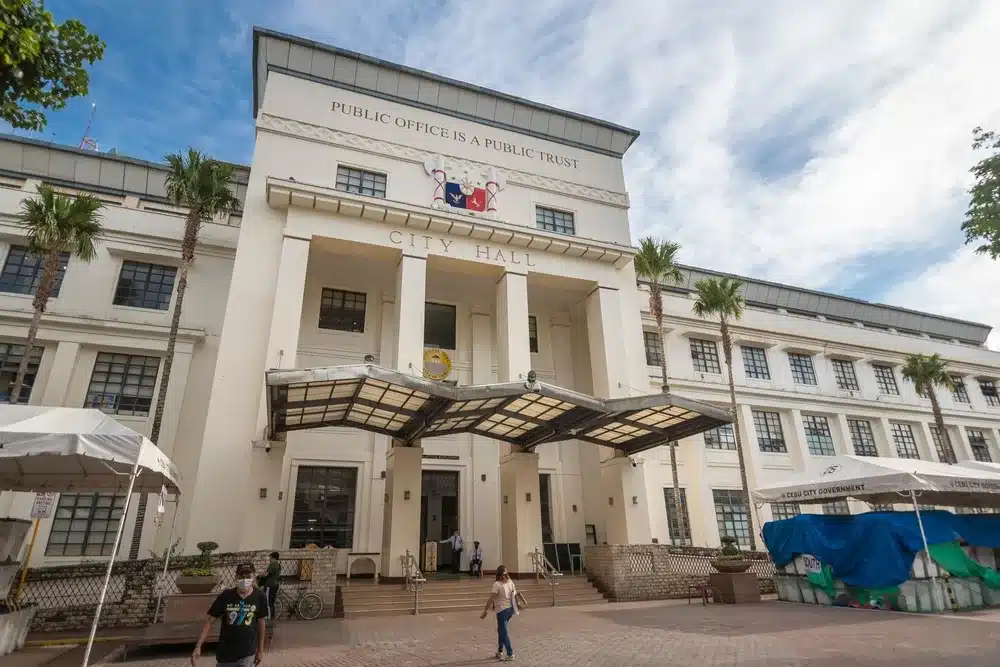
At City Hall, immediate steps include limiting air-conditioning use and reducing electricity consumption in offices during late afternoons. These measures are part of a broader effort to manage Cebu City’s roughly P200 million annual electricity expenditure.
The city is also advancing a five-year partnership with the Department of Energy (DOE) aimed at cutting power consumption in government facilities by 10 percent. The program will introduce solar photovoltaic systems, LED lighting, and electric vehicle infrastructure across public buildings, although installations have yet to begin.
Earlier gains from renewable adoption have already demonstrated cost-saving potential. A 300-kilowatt solar installation at the Department of General Services Complex reduced electricity costs by about 70 percent since its commissioning in August 2025.
Additional projects are in the pipeline, including a 700-kilowatt solar system for the Legislative Building and plans to convert the Cebu City Public Library into a solar-powered facility. Within the next 18 months, key government buildings are expected to transition to solar energy.
The city is also preparing for the arrival of two electric buses, expected between May and June, to reduce reliance on fuel and lower operational costs. A solar-powered fast-charging station is planned to support this shift.
Consumers Brace For “Perfect Storm”
While government efforts focus on institutional energy use, consumer advocates warn that households and small businesses face mounting pressure from rising electricity rates.
The Cebu Electricity Rights Advocates (CERA) said a combination of extreme summer heat and global fuel price increases could drive electricity costs to some of the highest levels in recent years.
“We are facing a period of unprecedented volatility,” said CERA convenor Nathaniel Chua, noting that higher temperatures are increasing demand for cooling while geopolitical tensions push fuel prices upward.
Cebu’s energy mix remains heavily dependent on imported fossil fuels, with more than 80 percent of power generation sourced from coal, natural gas, and oil, leaving consumers vulnerable to global price fluctuations.
Chua warned that electricity demand in the province is growing by at least 150 megawatts annually, further straining supply and increasing vulnerability to disruptions.
Small-Scale Solar
As an immediate response, CERA is promoting affordable, small-scale solar solutions for households and micro-entrepreneurs.
These include solar lighting kits costing as little as ₱450 to ₱650, capable of providing up to 10 hours of illumination, and solar-powered fans that can operate without adding to electricity bills. Such tools, Chua said, can help reduce dependence on the grid during peak hours and cushion the impact of rising costs.
“Solar is not meant to replace the grid but it can significantly reduce daily expenses and provide reliable lighting during brownouts,” he said.
Wider adoption of these solutions could also help lower peak demand, particularly during evening hours when utilities often rely on more expensive electricity from the Wholesale Electricity Spot Market. This, in turn, may ease price spikes that typically raise monthly bills by 15 to 20 percent during high-demand periods.
Structural Reforms
Despite the push for solar, CERA emphasized that long-term energy stability will depend on expanding baseload power capacity.
“Baseload power is the backbone of a stable energy system,” Chua said, describing solar as a short-term measure rather than a complete solution.
The group is urging regulators and policymakers to accelerate power plant development, review electricity charges, and consider relief measures such as staggered billing and the removal of value-added tax on power bills.
With the dry season intensifying and fuel markets remaining volatile, both local officials and energy advocates are calling for immediate conservation efforts alongside structural reforms to stabilize Cebu’s power supply.
Source:
https://www.sunstar.com.ph/cebu/cebu-city-accelerates-renewables-amid-national-energy-emergency
https://cebudailynews.inquirer.net/709222/cera-pushes-solar-solution-as-energy-costs-surge
https://newsinfo.inquirer.net/2200612/marcos-declares-state-of-national-energy-emergency