

Table of Contents
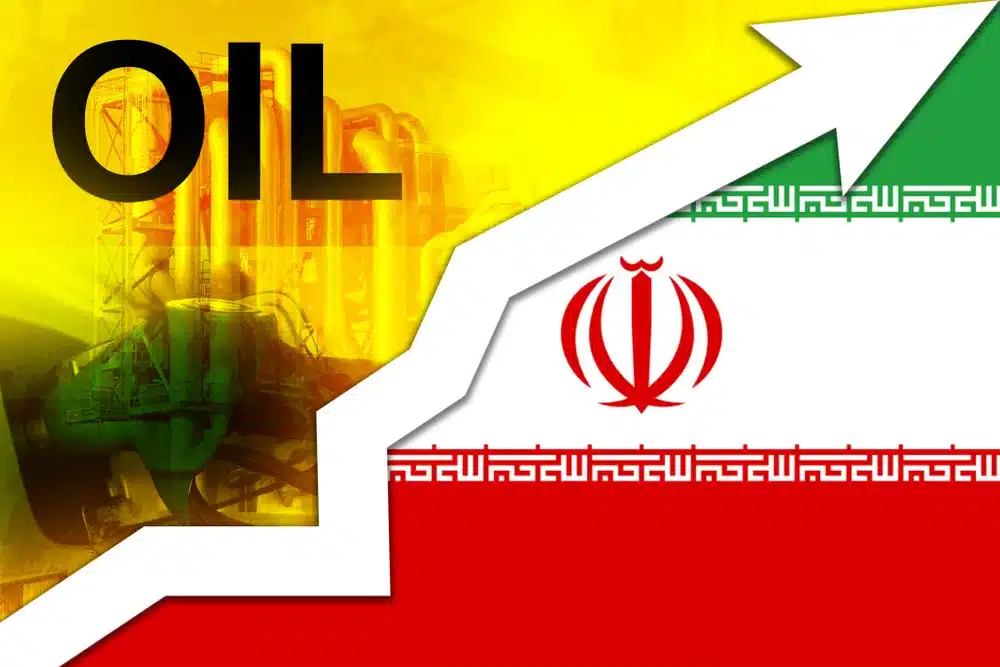
The ongoing war involving Iran has rapidly escalated into what experts describe as one of the largest disruptions to global energy markets in decades.
The conflict has significantly restricted traffic through the Strait of Hormuz, a critical chokepoint through which roughly 20% of the world’s oil and natural gas supplies normally flow. With tanker movements sharply reduced and alternative routes limited, the disruption has tightened markets, pushed crude prices above $100 per barrel, and driven inflationary pressures across oil-importing economies.
The scale of disruption is staggering. According to the International Energy Agency (IEA), crude and oil product flows through the Strait of Hormuz have plunged from around 20 million barrels per day (mb/d) before the conflict to a trickle, representing a massive reduction in available supply, and global liquefied natural gas (LNG) exports have also been significantly curtailed due to restricted trade flows through the region.
For developing economies, the crisis is especially acute, as higher energy costs quickly translate into rising food and transport prices.
(Also read: Energy Security Concerns Rise As Visayas Grid Nears Critical Threshold In Peak Season)
The Philippine Experience and Government Response
The ongoing war involving Iran has had direct and profound effects on the Philippines. With about 98% of its oil imported from the region, the disruption endangered the nation’s fuel supply and contributed to sharp increases in domestic fuel prices and broader inflation. These measures were implemented to help cushion the impact on Filipino households and ease the burden of rising costs.
Fuel subsidies and direct aid
As fuel prices continue to rise, the Philippine government has accelerated support for vulnerable sectors through targeted subsidies and cash aid. The Department of Budget and Management (DBM) released ₱2.49 billion to fund fuel subsidies for the transport sector under the Department of Transportation (DOTr). These programs prioritize farmers, fisherfolk, and transport workers, who are among the most affected by rising fuel costs.
The Department of Agriculture (DA) also rolled out a ₱3,000 fuel subsidy for thousands of registered farmers and fisherfolk, along with additional ₱2,350 cash assistance under the Presidential Assistance program. Meanwhile, public utility vehicle drivers have received coordinated support from multiple agencies, including cash aid of up to ₱5,000 through the Department of Social Welfare and Development’s (DSWD) Assistance to Individuals in Crisis Situations program, alongside fuel subsidies distributed by transport authorities.
Emergency funding and fuel security measures
The Philippine government mobilized an emergency fund of ₱20 billion to strengthen the nation’s fuel supply. The intervention will support the strategic procurement of fuel, including diesel, gasoline, and LPG, to strengthen the country’s fuel reserves, help ease price fluctuations at the pump, and maintain the continuous operation of essential sectors.
In early March, President Marcos also declared a national energy emergency. The declaration, initially set for one year, placed the President at the head of a contingency committee tasked with ensuring the steady supply and orderly distribution of essential goods, including fuel, food, medicines, and agricultural products. Government agencies were also directed to act against hoarding, profiteering, and any form of manipulation in petroleum supply to help keep prices stable and protect consumers.
Policy interventions and supply diversification
Officials have engaged in talks with non-traditional suppliers such as China, India, and Russia to secure alternative crude oil and petroleum products, broadening the country’s supply base beyond its usual Middle East imports.
The Department of Energy (DOE) has also authorized the temporary use of lower-grade petroleum fuels for certain vehicles and power generators as a short-term measure to ensure fuel remains accessible while markets remain volatile.
Demand-side and conservation measures
The government has implemented nationwide conservation measures focused on lowering demand across public institutions. Under Memorandum Circular No. 114, government agencies were directed to cut fuel and electricity consumption by at least 10 to 20%, alongside strict implementation of the Government Energy Management Program.
Key policies include the adoption of flexible work arrangements, such as a four-day onsite workweek or work-from-home setups, to reduce transport-related fuel use. Agencies have also been instructed to limit non-essential travel, shift meetings online, and improve vehicle efficiency through route optimization and maintenance practices.
In addition, operational guidelines require offices to implement practical energy-saving actions, such as setting air-conditioning units to at least 24°C,turning off non-essential lights and equipment, and minimizing electricity use during breaks and after office hours.
(Also read: Cebu Braces For Costlier Electricity As Global Fuel Markets Tighten)
Offshore Wind in Focus: A Practical Move During an Energy Crisis?
Amid a deepening global energy crisis, the urgency to secure affordable and reliable energy has pushed governments to prioritize immediate, short-term solutions. While the government is pursuing offshore wind (OSW) as a promising renewable energy source, its role during an acute crisis remains limited due to structural and financial constraints.
Global investments in OSW already reach tens of billions of dollars annually, reflecting the high costs associated with development, construction, and grid integration. In addition, project deployment is often slowed by lengthy permitting processes and planning requirements, meaning it can take several years before projects become operational. As a result, OSW is not designed to provide immediate relief during periods of acute energy price volatility, such as the current crisis.
In the Philippine context, these challenges are even more pronounced. Although the country has significant OSW potential, development remains in early stages, with the DOE advancing its fifth Green Energy Auction (GEA-5), the country’s first auction dedicated exclusively to OSW, offering up to 3,300 MW of capacity for delivery between 2028 and 2030.
According to the World Bank, OSW in the country will require major investments in transmission infrastructure, port upgrades, and regulatory frameworks before it can contribute meaningfully to the energy mix.
This makes OSW a potentially contentious undertaking, with the risk of placing additional financial pressure on Filipinos. The Energy Regulatory Commission (ERC) has set the Green Energy Auction Reserve (GEAR) price at ₱11 per kWh for GEA-5, establishing the ceiling for all bids. Winning projects will receive 20-year fixed-price contracts once operational and registered in the wholesale electricity spot market (WESM).
These long-term commitments may translate into higher electricity costs through the Green Energy Auction-Allowance (GEA-All), which will be added to the existing Feed-in Tariff Allowance (FIT-All) that already supports renewable energy, further increasing the burden on consumers.
At a time when governments are allocating substantial resources toward fuel subsidies, emergency funding, and supply stabilization, directing large-scale funding toward long-term projects may strain already limited fiscal capacity. The IEA emphasizes that during supply shocks, policies should prioritize “targeted consumer support” and demand reduction to manage affordability and ensure energy access.
Balancing Urgency and Long-Term Strategy
The Iran war has underscored how deeply interconnected global energy systems are, with disruptions quickly cascading into inflation, supply constraints, and economic strain. While the government has responded with targeted subsidies, emergency funding, and conservation measures to cushion the impact, these solutions are largely short-term and reactive.
At the same time, the push toward OSW highlights a critical policy tension. While it remains a critical component of long-term energy transition and energy security, its benefits are unlikely to materialize quickly enough to address the immediate pressures of the current crisis. A more balanced approach would focus on stabilising supply and protecting consumers in the short term, while continuing to lay the groundwork for renewable expansion in the future.
Ultimately, navigating this crisis requires a careful balance: prioritising immediate energy stability and consumer protection, while steadily laying the groundwork for a more resilient and diversified energy future.
Sources:
https://www.iea.org/reports/oil-market-report-march-2026
https://en.wikipedia.org/wiki/2026_Philippine_energy_crisis
https://www.pna.gov.ph/articles/1270523
https://www.iea.org/energy-system/renewables/wind
https://www.worldbank.org/en/news/press-release/2022/05/09/offshore-wind-roadmap-for-the-philippines
https://www.philstar.com/business/2026/02/26/2510426/stable-nuclear-power-expensive-offshore-wind