

Table of Contents
Cebu is ramping up efforts to secure its energy future as power demand rises sharply, with provincial leaders and industry players warning that reliability and long-term planning will be critical to sustaining growth in one of the country’s fastest-expanding regional economies.
At the Power Forward Visayas 2026 forum, Cebu Governor Pamela Baricuatro outlined a comprehensive energy roadmap anchored on renewable expansion, infrastructure investments, and policy alignment with the Philippine Energy Plan 2023–2050. The plan comes as the province’s electricity demand grows by about 150 megawatts (MW) annually, driven by rapid industrialization, tourism, and population growth.
“Energy is not just a sector. It is the backbone of everything we want to achieve—from healthcare to education, industry and tourism,” Baricuatro said, stressing that a stable supply is essential to economic progress.
Rising Demand
Despite its economic momentum, Cebu remains heavily dependent on imported electricity, with about 60 percent of its supply sourced from Luzon and Leyte, according to industry data. This reliance exposes the province to supply disruptions and price volatility, especially amid global fuel uncertainties.
Stakeholders at the forum stressed that while the Visayas grid remains stable, supply is struggling to keep pace with rising consumption.
“The biggest challenge really is keeping pace with the power demand,” said Rhea Navarro of AboitizPower, noting that energy use continues to outstrip capacity expansion across the region.
Business groups echoed concerns over high electricity costs, warning that these undermine Cebu’s competitiveness. Mark Anthony Ynoc of the Mandaue Chamber of Commerce said businesses account for as much as 40 to 50 percent of regional demand, while rising power costs are putting pressure on operations.
“The economy of Cebu is power hungry,” added Philippine Chamber of Commerce and Industry regional president Felix Taguiam, citing the strain caused by volatile fuel prices.
Tapping Renewable Sources
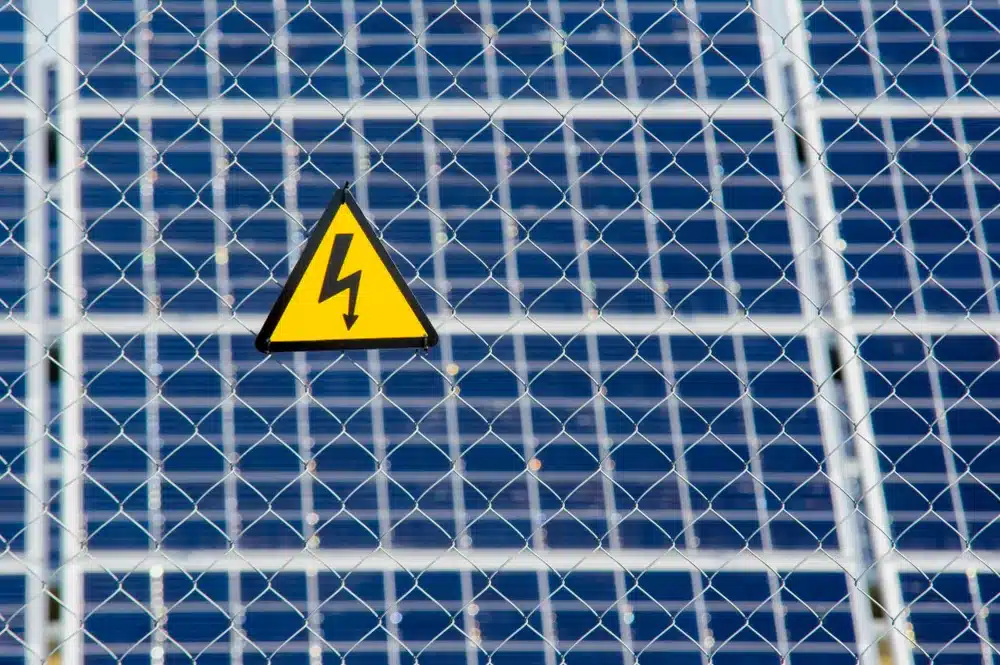
To address supply gaps, the provincial government is advancing several energy projects, including a 150-megawatt peak solar power facility in partnership with Acciona Energia Philippines. Construction is expected to begin within the year, with the project seen as a key addition to Cebu’s local generation capacity.
Baricuatro said the province is also exploring other renewable sources such as wind and hydro, alongside plans to redevelop the Alegria Oil Field, the country’s first onshore oil field, to diversify its energy mix.
These initiatives form part of Cebu’s broader development agenda under the “Ato ang SUGBO” mission, which aims to build a climate-resilient and investment-ready economy over the next decade.
The provincial government is also drafting a Provincial Energy Master Plan to align local strategies with national targets, including the goal of raising renewable energy’s share in the power mix to as much as 50 percent by 2040.
Transition Measures
In the near term, energy firms are looking at battery energy storage systems (BESS) to help stabilize the grid and prevent outages during supply disruptions.
“If a power station goes down, batteries can support the grid for a certain period—maybe one to two hours,” said AboitizPower’s Volt Cruz, noting that such systems provide short-term support but cannot replace baseload capacity.
The Department of Energy (DOE) is also exploring nuclear energy as part of the long-term solution, targeting at least 1,200 MW of capacity by 2032 to strengthen baseload supply.
DOE Visayas Director Renante Sevilla said policy reforms, including allowing 100 percent foreign ownership in renewable energy projects, are expected to accelerate investments and improve supply security.
Policy Stability
Industry leaders stressed that consistent and predictable policies will be key to attracting long-term investments in energy infrastructure.
Shell Energy Philippines president Bernd Krukenberg noted that power projects typically span 15 to 20 years, making regulatory stability critical to investor confidence. He also pointed to the need for improved market systems to manage risks and stabilize electricity prices.
As Cebu positions itself as a major economic hub in the Visayas, stakeholders agree that ensuring reliable and affordable power will be central to sustaining growth.
“The goal is clear,” Baricuatro said. “A Cebu that is energy-secure, climate-resilient, and future-ready.”
Source:
https://tribune.net.ph/2026/04/25/cebu-bares-long-term-energy-roadmap